Content Marketing for Chiropractors: How To Use Content To Grow Your Practice
Content marketing is a marketing strategy where you create valuable, educational content to distribute to your target audience—potential patients. Unlike traditional marketing that pushes your target audience to use your chiropractic services, content marketing is meant to attract potential patients by providing them with useful information related to your area of practice.
The ultimate goal with content marketing is to build trust with potential patients, so they feel confident choosing you as their provider. To help you achieve this goal, Online Chiro has created a content marketing guide. Below, we explore common types of content and provide best practices for distributing this content.
Why Is Chiropractic Content Marketing Important?
From improving brand awareness to building patient relationships, content marketing serves several purposes. Here are some of the benefits of content marketing that can help you grow your practice.
Drives Brand Awareness
Sharing content across various digital channels means your audience can come across you in several places. You become known as a trusted provider of useful chiropractic content, which keeps them coming back when they need advice on another topic related to your area of practice. It also keeps you top of mind when they’re looking for a new chiropractor.
Demonstrates Chiropractic Expertise
By creating a lot of content about your area of practice, you demonstrate that you’re an expert on the subject. This not only establishes credibility and trust with prospective patients, but it’s also a factor search engines use to decide if you’re a reliable source of information and if they should show you in search results.
Improves Search Visibility
Both traditional search engines like Google and AI search platforms like ChatGPT use credibility as a factor to determine if they should recommend your practice to searchers. Considering most patients use one of these platforms to get chiropractor recommendations, using content marketing to establish credibility can ensure you appear where local patients can find you.
Increases Website Traffic
Appearing in search results is important because it directs potential patients to visit your practice’s website. Your website has everything they need to know about you, including information about your services and experience. It’s also where they book an appointment once they’re ready.
Provides Patient Education
Your content educates potential patients who are looking to learn more about a particular condition. Since you provided them with that information, they might turn to you when they’re ready for chiropractic care. Content marketing also educates current patients. Patients see better health outcomes when they’re educated because they understand their condition and the importance of following your treatment plan.
Builds Patient Relationships
Content marketing gives you several ways to stay in contact with your patients outside of regular appointments. Continuing to interact with them makes them feel valued and cared for, which keeps them coming back to your practice for future sciatica treatment, neck pain relief, or other chiropractic adjustments.
Content Marketing Ideas for Chiropractic Practices
Understanding what types of content exist is essential for creating a well-rounded content marketing strategy that reaches and engages your target audience. Here are some of the most common types of content with which to start.
Blog Posts
Adding a blog to your chiropractic website gives you a way to create informative articles about common conditions and treatments in your area of practice. These blog posts show the depth of your knowledge and expertise, which increases your chances of search engines showing you in search results and website visitors choosing you as their chiropractor.
Social Media Posts
Given that over 90% of the U.S. population uses social media, these platforms are a key way to reach future patients with your content. Some popular social media platforms include YouTube, TikTok, Instagram, and Facebook. YouTube and TikTok are leading video platforms, Instagram requires either a photo or video with each post, and Facebook posts can include any combination of text, videos, or images.
Videos
Video marketing allows you to explore topics related to your area of practice in detail. Videos tend to be more engaging than blog posts or other strictly word-based types of content, and you can share them across a variety of channels, including your website and social media pages.
Infographics
Infographics simplify complex information into easy-to-understand visuals, making confusing chiropractic topics more accessible and engaging for your audience. Like videos, you can share infographics across your website, social media accounts, and other marketing channels.
Podcasts
Over 50% of U.S. adults listen to podcasts, which makes it a powerful channel for sharing in-depth discussions and stories about your area of practice. Many podcasts are now being recorded with video as well as audio, giving you educational video clips to repurpose for social media marketing and other digital channels to further position yourself as an expert in your field.
Emails & Newsletters
Emails are popular for appointment reminders and visit summaries, but they’re also a valuable educational tool for newsletters. On a monthly or quarterly basis, you can send patients a newsletter issue that:
- Summarizes recent chiropractic news in your area of practice
- Offers health tips related to the time of year
- Shares your blog posts and other educational resources
- Announces practice changes, such as new hours
Whitepapers & eBooks
While blog posts, infographics, and other types of content simplify or summarize chiropractic topics, whitepapers and ebooks provide detailed information, explaining the topics in full. Publishing these resources on your website can show that you contribute knowledge, not just services, to the chiropractic field. This can make search engines, patients, and even other healthcare professionals trust you more.
Webinars
Live webinars allow patients to learn from a trusted chiropractic professional. Each webinar should focus on a single condition or treatment within your area of practice. Explain any relevant chiropractic research, explore how your specific practice addresses the condition or carries out the treatment, and end with a Q&A session. You can promote your upcoming webinars through your email newsletters and social posts to ensure you get good attendance.
Patient Stories & Case Studies
Sharing real experiences from satisfied patients builds trust with prospective patients. Testimonials and case studies explain how your treatments improved your patients’ quality of life, helping potential patients visualize these outcomes for themselves. Patient success stories make for good additions to your website, social media posts, and newsletters.
Best Practices for Chiropractic Content Marketing
As you get started with creating content, keep the following marketing tips and best practices in mind. They will help you build an effective content marketing strategy that gives you the most return on your investment.
Start With a Well-Designed Website
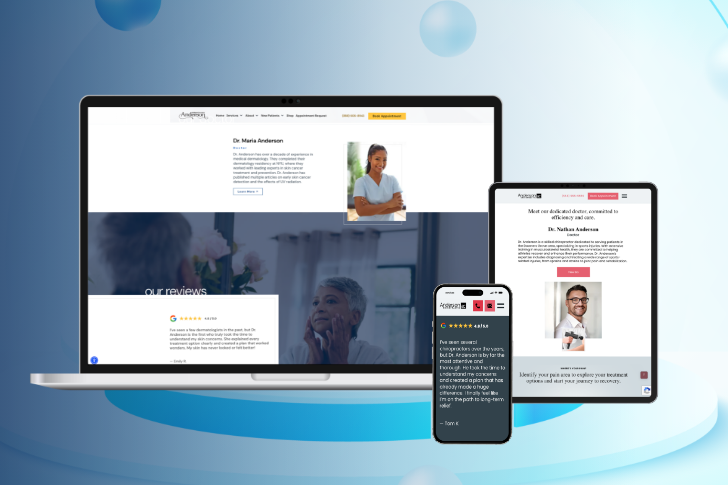
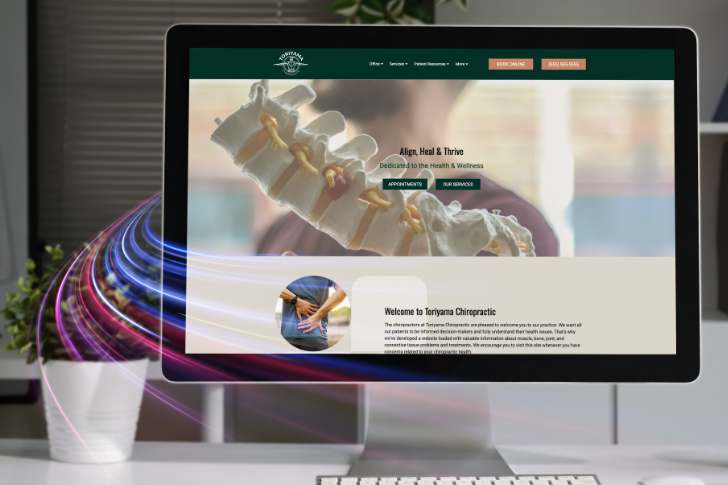
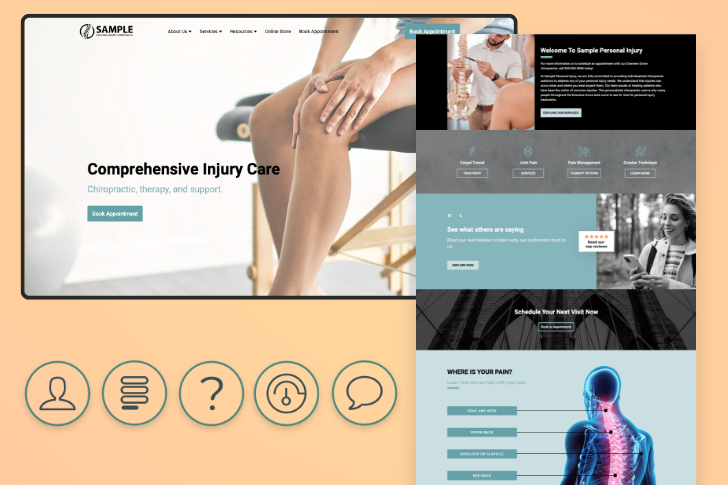
Your website is where a lot of the content from your content marketing efforts will live. For social media and other channels, users will read or view your content and then go to your website to learn more about your specialized services and background. This makes your website a key part of a new patient’s first impression of your practice. Before you start investing in content, revamp your website so that it’s professional, modern, and user-friendly.
View Website Design Options
Set Clear Marketing Goals
What are you looking to get out of content marketing? If you want to appear in local search results, concentrate your efforts on building a blog and posting on it regularly because that carries a lot of search engine optimization (SEO) value. If you want to reach the widest audience possible, you’ll want to create content across several channels. Decide what your goal is before you start making content so that you know how to best use your time.
Audit Your Existing Content
If you already have content published, audit it by asking yourself the following questions:
- Am I creating content on a regular basis?
- If I’m looking to reach a wide audience, am I creating diverse types of content and publishing it across various channels?
- Are there any gaps in the topics I’m covering? For example, are there common chiropractic treatments or conditions in my area of practice I’ve missed?
Answering these questions can help you plan what your future content will look like.
Create a Content Calendar
To see the benefits of content marketing, you need to commit to it fully by publishing content at least once a week. Creating a calendar can help you keep track of your content. Try a monthly calendar because it allows you to plan the upcoming month without working so far ahead that your content feels stale and outdated.
Avoid Technical Jargon
As you create content, keep in mind that the average patient has minimal chiropractic knowledge. Explain everything so that every reader, viewer, or listener can understand what you’re saying and benefit from your expertise. You also want to avoid using technical terms that only chiropractic professionals would know unless you define them first.
Make Your Content Timely
One of the easiest ways to connect with your audience is to create content about subjects that are currently on their mind. As they go through back-to-school season, Thanksgiving, and other important seasons, events, and holidays throughout the year, offer spinal health and general wellness tips to help them survive.
Remember HIPAA Compliance
With case studies and any other content you want to create that directly discuss your patients, make sure to get their permission first. Even then, limit how much personal information you include. For example, use only their first name, avoid photos of their face, and take other measures to follow HIPAA guidelines and ensure their identity remains confidential.
Engage With Your Patients
Content marketing gives you a chance to connect with your patients outside of appointments. Respond to comments on your social media posts, host live Q&A sessions during webinars, and find other ways to directly interact with your audience through your content marketing channels. Doing this shows that you care, which helps with patient retention and satisfaction.
Final Thoughts
Content marketing touches several critical aspects of your digital marketing strategy, including local SEO, social media, and online reputation management. Not sure where to start with creating and distributing content? Online Chiro is available to help with our chiropractic marketing services.

Katie McNichols is an experienced writer and editor, specializing in digital content. The aim of her blog posts is to demystify digital marketing for healthcare professionals. She hopes to equip them with the tools they need to build an online presence that promotes their services and grows their practice.