Chiropractic Patient Education: 7 Strategies To Build Trust

Patient education is the practice of providing patients with the knowledge they need to understand and manage their health conditions. It helps patients make informed decisions about their health and encourages them to take a more active role in their care. 

Education typically happens during an appointment when a patient comes to you with a musculoskeletal concern. You do an exam, make a diagnosis, and explain that diagnosis and its accompanying treatment to the patient. However, chiropractors can also provide patient education online. 

Digital patient education is useful for giving general information on how chiropractic care works and for teaching patients how to take care of their muscles, joints, and bones. You can also use digital communication to follow up on in-person appointments to ensure patients understand their diagnosis and carry out the treatment plan you discussed.

Patient education is a key part of chiropractic care. In this article, we explore its benefits for both you and your patients. We also provide our best practices for implementing a digital patient education program.

Importance of Patient Education for Chiropractic Practices

Patient education builds a foundation of trust and respect, making patients feel valued and understood. This empowerment translates into long-term loyalty to your practice. Keep reading for other benefits of patient education.

Enhanced Collaboration and Communication

In an appointment setting, patients have the opportunity to respond to your explanation of their diagnosis and treatment with thoughts and questions. This fosters open communication, encouraging them to work with you to set goals and make decisions regarding their chiropractic health.

Increased Patient Compliance

When you explain a patient’s condition to them clearly and thoroughly, they understand the importance of treating it. This makes it more likely that they will follow the chiropractic treatment plan you propose.

Better Patient Outcomes

A health outcome is a measurement of what your patient’s health looks like after your chiropractic intervention. When a patient follows your treatment plan, they usually see a desirable health outcome. For example, a patient may be able to resolve their back pain by seeing you for regular spinal adjustments and completing the daily at-home exercises you recommended.

Improved Patient Satisfaction, Retention, and Acquisition

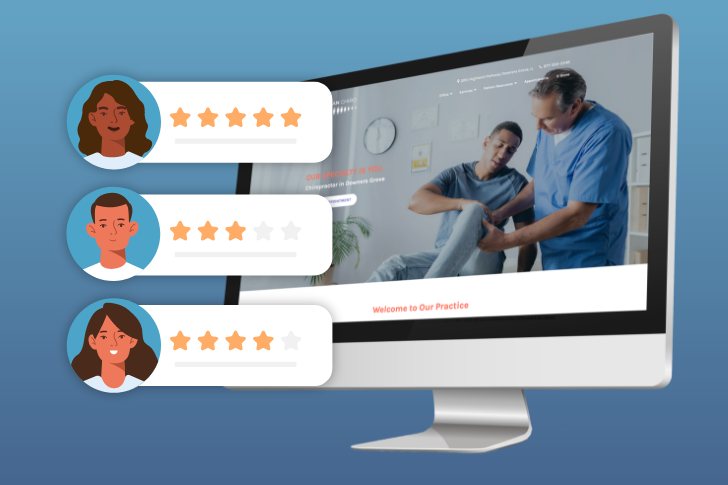
A patient is more likely to return for future chiropractic concerns if they feel like they received effective care from you. They are also more likely to refer their family and friends to you and leave you positive reviews online, which can help you reach new patients and grow your practice. 

Now that you understand the importance of patient education, let’s get into our key strategies for implementing it into your practice.

1. Provide Comprehensive Online Educational Materials

eBooks and Downloadable Guides

Offer ebooks and other downloadable guides on your website to explain common injuries and conditions in the chiropractic profession, such as back and neck pain, tennis and golf elbow, carpal tunnel syndrome, and scoliosis. Patients can find these resources on their own by exploring your website. Or, you can direct them there at the end of an appointment if you think they might benefit from more information on their diagnosis.

Blog Articles

Blog articles are typically shorter than ebooks, so you can’t go as in-depth on chiropractic topics. However, you can use a blog to explore basically any subject related to chiropractic care, including:

  • General wellness advice (e.g., how to maintain proper posture)
  • Benefits of regular chiropractic care (e.g., restore joint mobility)
  • Common injuries treated (e.g., neck aches, whiplash from car accidents, carpal tunnel syndrome)
  • Common treatment methods (e.g., spinal adjustments)

Additionally, the more you build out your blog with educational articles, the more credible you look in the eyes of Google, which is an important metric for getting your website to rank in search results.

Curated Resources

Curated content is content from a third party that you find valuable enough to share with your audience. It gives your patients additional information on specific conditions and treatments, while alleviating the pressure of creating it yourself. Just make sure the content comes from an extensively trained, reliable source within the chiropractic profession.

2. Enhance Understanding With Visual Aids

Charts, Diagrams, and Infographics

Many patients may be visual learners, making it easier for them to understand a complex chiropractic concept when it’s described to them through visuals as opposed to through words. Diagrams, infographics, and other visual aids can help explain the causes and symptoms of a patient’s condition so that they better grasp how chiropractic care can alleviate their discomfort and improve their overall health. 

Videos and Animations

Dynamic visuals can enhance patient understanding of common injuries, symptoms, conditions, and treatments. For example, many chiropractors embed a 3D Spine Simulator animation on their practice’s website, which allows patients to visualize their spinal issues by clicking the part of their back that’s causing them discomfort. You can also create a video library with in-depth tutorials on specific chiropractic adjustments and exercises.

3. Integrate Digital Tools

EHR/EMR Software

Electronic health records (EHR) or electronic medical records (EMR) software stores clinical documentation on your patients, such as notes on past conditions, treatments, and appointments. It eliminates the need for physical files in your office. Plus, it usually includes a messaging portal and other communication tools, giving you additional ways to carry out patient education. The portal is particularly useful for quick follow-up questions after an appointment to clarify a patient’s diagnosis and treatment plan.

Website Builder

Your website builder is the platform you use to create your practice’s website initially and make updates to it down the line. Choose a user-friendly platform, such as WordPress, to make publishing blog posts, ebooks, video tutorials, and other educational content easy.

4. Create Personalized Chiropractic Care Plans

Customized Patient Portals

Every patient’s portal should look different. In addition to their specific medical history and treatment plan, you should also add educational resources that relate to them. This personalization ensures that patients understand the state of their overall health and the steps to take to improve or maintain it.

Treatment Plan Check-Ins

Use the portal to message your patient and check in with them as they carry out your proposed treatment plan. This consistent engagement helps you stay informed on their progress, and it creates an open line of communication should they have any questions.

5. Train Your Team

Training Modules

Implement online modules to train your staff on key topics, such as communicating with patients and using digital tools. By standardizing training, you can ensure that all team members give patients clear and accurate information, improving the overall quality of interactions.

Follow-Up Discussions

After your staff has completed the initial training, you can hold follow-up meetings a few times a year. Use these meetings to update your team on the latest digital improvements and patient education strategies so that everyone is aligned.

6. Build an Online Community

Virtual Classes

Consider offering online workshops and webinars for groups of patients with similar conditions, such as whiplash injury from a car accident or tennis and golf elbow from a sporting activity. You can also offer general classes to go over the basics of chiropractic care. These events provide valuable opportunities for education and discussion, teaching participants how to achieve better health outcomes and maintain optimal health.

Online Support Groups and Forums

Creating online support groups is another way to help patients with similar conditions connect with each other. Moderate the groups, but leave most of the talking up to the patients to share experiences, ask questions, and receive support. These groups are an invaluable space for patient education, allowing members to exchange knowledge. Plus, the emotional support from peers who are going through something similar can be reassuring and empowering.

Social Media

Social media is a powerful tool for sharing educational content. You can repurpose the resources you have created under the first strategy, but you can also:

  • Advertise upcoming classes and other events
  • Post quick spinal health tips
  • Debunk common myths about chiropractic treatment
  • Highlight patient success stories

Another benefit of social media is that it allows for patient engagement and interaction. By encouraging two-way communication, it helps you build stronger relationships with patients.

7. Leverage Patient Feedback

Online Surveys and Feedback Forms

Set up ways to collect honest opinions about your patient experience. For example, you can create a Google Business Profile for online reviews, add a feedback form to your website, or send a follow-up email with a survey after every appointment. Analyze the responses to compile a list of areas for improvement.

Implementing Changes

Use the feedback you get from surveys, reviews, and forms to effect real change in how you run your practice. This not only improves the quality of your care, but it also builds trust and loyalty with your patients. By actively listening to them and addressing their concerns, you can enhance both patient education and overall satisfaction.

Showcasing Success Stories

Repurpose patient feedback by highlighting positive reviews on your website and social media pages. Potential patients often need more than just your word to feel comfortable trusting you to treat their condition. Adding these success stories to your digital platforms gives them real examples of the quality chiropractic care you offer.

Final Thoughts

Incorporating our patient education strategies into your practice’s operations can increase patient satisfaction and improve health outcomes. If you don’t have the manpower to handle patient education on your own, consider outsourcing the task to a digital marketing agency, such as Online Chiro. Online Chiro has a patient education service that can help you create web articles and other digital resources.

Become a Trusted Educational Resource with Patients

Katie McNichols is an experienced writer and editor, specializing in digital content. The aim of her blog posts is to demystify digital marketing for healthcare professionals. She hopes to equip them with the tools they need to build an online presence that promotes their services and grows their practice.

RELATED POSTS

Trusted By:

How to Create A Chiropractic Social Media Marketing Calendar

In today’s world, having a reliable online presence is crucial for chiropractic clinics aiming to connect with potential patients. Social media platforms offer a powerful way for chiropractic businesses to raise awareness and engage with their audience. A well-structured social media marketing calendar not only ensures consistency but also maximizes engagement and helps attract a steady stream of new and returning patients. This blog post will guide you through creating an effective strategy to elevate your chiropractic social media marketing game.

Setting Goals for Your Social Media Marketing

Setting clear and measurable goals is a fundamental step in developing effective social media marketing strategies for your chiropractic practice. These goals provide direction and a framework for your content and engagement efforts. For instance, you might aim to increase brand awareness, drive more traffic to your website, boost patient retention, or generate leads.

By defining specific objectives, such as gaining a certain number of new social media followers or improving engagement rates, you can tailor your strategies to achieve these outcomes. Moreover, well-defined goals allow you to measure your progress and adjust your tactics as needed, ensuring that your social media efforts are aligned with your overall business objectives and are contributing to your practice’s growth.

Identify Your Chiropractic Practice’s Goals

Begin by establishing clear, measurable goals to guide your content creation and engagement strategies. These goals might include increasing brand awareness, improving patient retention, or generating more traffic to your website. By defining your chiropractic practice’s goals, you can tailor content to meet these objectives and track your progress effectively.

Aligning Social Media Goals with Business Objectives

Your social media marketing strategy should align with your overall business objectives. Whether it’s growing your client base or enhancing your reputation in the community, aligning these goals ensures a cohesive approach to your online presence.

Key Metrics to Track Success

Tracking metrics such as engagement metrics, social media followers, and site traffic can provide valuable insights into the effectiveness of your social media marketing strategy. Monitoring these metrics helps identify what’s working and where improvements are needed.

Understanding Your Audience

Identifying your target audience is crucial for crafting content that resonates and addresses their specific needs and concerns. For chiropractic practices, this means understanding the demographics, interests, and specific needs of potential patients seeking chiropractic care. By developing detailed audience personas, you can tailor your content to resonate with these groups, whether they’re new patients, existing clients, or individuals researching chiropractic services for the first time. This understanding allows you to create relevant content that addresses their concerns, provides valuable information, and engages them in meaningful ways. Ultimately, this helps build a strong online presence and foster a loyal following.

Defining Your Target Audience

Knowing your target audience is critical for creating relevant content for your chiropractic practice. For chiropractors, this might include prospective patients interested in chiropractic care, current patients, or individuals seeking information on treating chronic pain. Understanding your audience’s demographics, interests, preferred social media channels, and needs will help you create valuable content that resonates with them.

Creating Audience Personas

Developing detailed personas for your audience groups can guide your content creation efforts. For instance, you might have personas for new patients, loyal patients, and those exploring chiropractic care. These personas can help tailor content to address specific concerns and interests.

Start with what you already know. Think about your current patients and build from existing information about them to start building personas of ideal chiropractic patients. Once you have personas, it’s easier to craft messaging that speaks directly to their needs, concerns, and ideals.

Analyzing Audience Behavior

Utilizing data-driven methods to analyze audience behavior on social media platforms can provide insights into what type of content they engage with the most. Tools like Facebook Insights and Twitter Analytics can help you understand which posts generate the most engagement and why.

Request A Free Social Media Strategy Consultation

Choosing the Right Social Media Platforms

Selecting the appropriate social media platforms is crucial for maximizing the impact of your chiropractic social media marketing efforts. Each platform caters to different audience demographics and content types. For instance, Facebook is ideal for sharing educational posts and engaging with a broad audience, while Instagram is perfect for visual content like infographics and patient testimonials. TikTok, with its short, engaging video format, is becoming increasingly popular for reaching a younger demographic and showcasing quick tips or behind-the-scenes glimpses of your practice. LinkedIn can be valuable for connecting with other medical providers and sharing professional insights.

By leveraging the unique strengths of each platform—including TikTok’s engaging short videos—you can craft content that aligns with user expectations and effectively reaches your target audience. This strategic choice not only enhances your online visibility but also helps in building a reputable online presence.

One important caution: Avoid spreading yourself too thin across too many platforms. Focus on the ones that best align with your audience personas and content strategy.

Quick Overview of Popular Social Media Platforms

Facebook: Best for educational posts and engaging with a broad audience.

Instagram: Best for visual content like infographics and patient testimonials.

TikTok: Best for younger demographics, quick tips, behind-the-scenes video.

LinkedIn: Best for for connecting with other medical providers and sharing professional insights.

Selecting the Best Platforms for Your Chiropractic Practice

Choosing the right platforms depends on your target audience and the type of content you plan to share. For example, if you’re focusing on educational videos, YouTube and Instagram might be your go-to platforms. Ensure the platforms you choose align with your marketing strategy and business goals.

Resist the feeling that you have to be on all of the platforms. Think about your ideal audience personas and focus on the platforms those personas prefer.

Understanding Platform-Specific Content

Each social media platform has unique features and best practices. For instance, Instagram Stories and Facebook Live are excellent for real-time engagement, while LinkedIn is better suited for more in-depth, informative content. Understanding these nuances helps create content that fits each platform’s style and user expectations.

Content Planning and Creation

Effective content planning and creation are essential for a successful marketing strategy in chiropractic practices. It involves developing a diverse mix of content types, including blog posts, videos, infographics, and patient testimonials, to keep your audience engaged and informed.

Creating content themes and pillars, such as ‘Healthy Spine Tips’ or ‘Patient Success Stories,’ can help guide your posts and ensure they align with your practice’s values and objectives. A content calendar is a valuable tool for organizing and scheduling your posts in advance, allowing you to plan around holidays, special events, or promotions. By thoughtfully planning your content, you can create consistency, reach your target audience effectively, and drive engagement on your social media platforms.

Types of Content to Share

A diverse content mix keeps your audience engaged. Shareable content such as blog posts, infographics, educational videos, patient testimonials, and informative content about chiropractic topics can educate and engage your audience.

Content Themes and Pillars

Establish content themes that reflect your chiropractic practice’s values and expertise. For example, themes like “Wellness Wednesdays” for health tips or “Patient Stories” can help maintain a consistent posting schedule and ensure you cover a wide range of relevant topics.

Creating a Content Calendar

A content calendar helps organize your posting schedule and ensures you maintain consistency. It also allows for planning around holidays, special events, or promotions. Use tools like Google Calendar, Trello, or specialized software like Hootsuite to keep track of your content schedule.

Content Frequency and Scheduling

Determining the frequency of your posts is crucial. Consistency is key, and quality is always better than quantity. Posting too frequently can overwhelm your audience, while infrequent posting can lead to a lack of engagement. Use analytics to find the optimal posting times and frequency for your audience.

Use available analytics to be responsive, creating a relationship with your audience that gives them more of what they are seeking from you. In return, you’ll be rewarded with more engagement, which results in more patients through the door.

Visual Content and Branding

Consistent branding across all social media platforms reinforces your practice’s identity. Use consistent colors, logos, and messaging to create a cohesive look. High-quality images and videos are essential for catching the eye and encouraging engagement.

Utilize cover images to give clear, compelling titles on video posts to allow users to scroll and find content that speaks to them.

Engaging with Your Audience

Actively engaging with your audience is essential. This includes responding to comments, participating in conversations, and nurturing a community around your brand. Schedule regular time for engagement to complement your content posting. Engaging with your followers not only helps build trust and loyalty but also provides valuable insights into their needs and preferences.

By regularly interacting with your audience, you can address their concerns, answer their questions about chiropractic care, and showcase your expertise. This engagement can also encourage user-generated content, such as reviews and testimonials, which can further enhance your practice’s credibility. Additionally, hosting live events or Q&A sessions on platforms like Instagram and Facebook can create real-time interactions, making your practice more approachable and relatable.

Overall, maintaining an active and responsive presence on social media strengthens your connection with potential and existing patients, contributing to a stronger online presence and business growth.

Responding to Comments and Messages

Engaging with your audience by responding to comments and messages promptly can help build a strong online presence and foster a sense of community. It shows that your practice is approachable and values patient interaction. Aim to reply within a reasonable time frame that’s less than one business day.

Encouraging User-Generated Content

User-generated content, such as reviews or photos shared by patients, can be a powerful tool for building credibility and engaging your audience. Encourage patients to share their experiences on your social media pages and feature their posts on your accounts.

Always seek explicit permission for reposting any user generated content. In the event that you want to use their content for paid ads, make sure this is clearly communicated and usage rights are formally agreed to by both parties.

Hosting Live Events and Q&A Sessions

Live events and Q&A sessions are excellent for real-time interaction with your audience. They allow you to address common questions, showcase your expertise, and connect with patients on a personal level.

Analyzing and Adjusting Your Strategy

Regularly review your social media analytics to refine your strategy. Focus on longer-term trends rather than daily fluctuations to identify what consistently drives engagement and growth. Use analytics tools to track key metrics such as engagement rates, website traffic, and conversion rates. These insights reveal which content resonates with your audience and which areas need improvement.

For instance, if certain posts consistently receive high engagement, consider creating more content in that style. Conversely, if some platforms are underperforming, you may need to adjust your approach or refocus your efforts. Additionally, staying updated with social media trends can help you innovate and keep your content fresh. By continuously evaluating and adapting your strategy based on data, you can optimize your social media presence, attract more patients, and support business growth.

Tracking and Analyzing Performance

Use tools like Google Analytics and social media insights to track the performance of your posts. Look at engagement metrics such as likes, shares, comments, and website traffic to assess the success of your strategy.

Adjusting Your Strategy Based on Insights

Based on your performance analysis, adjust your strategy to better meet your goals. This might involve changing your content mix, posting schedule, or the platforms you focus on. Monthly or quarterly analytics reports can give you a helpful, holistic view of user engagement and allow you to see patterns and trends. Avoid being too reactive on a daily basis, which could keep you from recognizing larger patterns.

Keeping Up with Social Media Trends

Social media is constantly evolving, with new trends and features emerging regularly. Stay updated with the latest trends to keep your content fresh and relevant. The more you use the platforms themselves, the more you will be keyed into that platform’s unique culture, features, and opportunities.

Tools and Resources

Utilizing the right tools and resources is essential for managing an effective social media marketing strategy. Tools like Hootsuite, Buffer, and Sprout Social streamline your workflow by allowing you to schedule posts, track performance metrics, and manage multiple profiles efficiently, freeing up more time for patient care. Graphic design tools such as Canva and Adobe Spark are invaluable for creating visually appealing content that resonates with your audience.

Additionally, content idea generation tools like BuzzSumo and AnswerThePublic can help you discover trending topics and create content that engages your followers. Analytics and reporting tools provide insights into your social media performance, helping you make data-driven decisions and continuously improve your strategy. By leveraging these tools, you can enhance your social media presence, engage more effectively with your audience, and drive growth.

For practitioners without the bandwidth to take on the project of social media marketing, companies like Online Chiro can also partner with you to create and manage your content and calendar with expert support.

Best Practices and Tips

Following best practices is essential for a strong social media presence. Always comply with healthcare regulations and privacy laws, particularly when sharing patient information or testimonials, to maintain professionalism and trust. Consistency is key; regularly posting high-quality content helps keep your audience engaged and reinforces your brand identity. Authenticity is equally important; sharing genuine insights and interacting with your audience in a sincere manner builds trust and loyalty.

It’s also vital to stay compliant with healthcare regulations and privacy laws, ensuring that all shared content respects patient confidentiality and legal requirements. Leveraging the power of visuals, such as images and videos, can significantly enhance engagement, as these formats are more likely to capture attention.

Additionally, monitoring and responding to online reviews can boost your reputation and credibility, as well as provide valuable feedback for improvement. Finally, staying updated with the latest social media trends and tools can help you innovate and keep your strategy fresh and effective. By following these best practices, you can create a strong, reputable online presence that attracts and retains patients.

Quick Tips

  • Consistency is Key: Post regularly to maintain engagement and keep your audience informed.
  • Use High-Quality Visuals: Incorporate images, infographics, and videos to make your posts more engaging.
  • Engage with Your Audience: Respond to comments, messages, and reviews to build a community around your brand.
  • Leverage User-Generated Content: Encourage your patients to share their experiences and feature their testimonials on your social media pages.
  • Monitor Analytics: Use tools to track the performance of your posts and adjust your strategy based on the data.
  • Stay Authentic: Share genuine content and interact sincerely with your audience to build trust and loyalty.
  • Stay Updated with Trends: Keep an eye on the latest social media trends and incorporate them into your strategy to stay relevant.
  • Utilize Hashtags Wisely: Use relevant hashtags to increase the visibility of your posts and reach a broader audience.
  • Create a Content Calendar: Plan your posts in advance to ensure a steady flow of content and to align with your marketing goals.
  • Ensure Compliance: Always follow healthcare regulations and privacy laws when posting content related to patient care.

Conclusion

Incorporating a structured social media marketing strategy into your chiropractic practice can lead to significant growth. By understanding your audience, choosing the right platforms, and creating valuable content, you can enhance your online visibility and attract more patients.

For professional support in managing your chiropractic social media marketing, consider partnering with Online Chiro. Their comprehensive digital marketing services, including SEO, social media management, and patient engagement strategies, can help your practice reach its full potential. Whether you’re looking to improve your online presence or attract more patients, Online Chiro has the expertise to guide you.

Tiffany Beveridge is a seasoned writer and content strategist with over a decade of experience in creating compelling digital content. She believes access to affordable, premium chiropractic care should be available to all people, regardless of status. Tiffany enjoys being able to write content that helps grow chiropractic practices and make it more accessible to all patients. 

Learn More About Tiffany Beveridge

RELATED POSTS

Chiropractic

10 Effective Marketing Strategies for Your Chiropractic Practice

Chiropractic

10 Step SEO Checklist for Chiropractic Practices

Digital Marketing Services

5 Ways To Attract New Patients With A Tailored Website

VIEW ALL BLOG POSTS

Trusted By:

10 Chiropractic PPC Ad Types To Try

In the competitive world of chiropractic care, leveraging Pay-Per-Click (PPC) advertising can significantly boost your practice’s online visibility and patient acquisition. Traditional marketing methods of the past tend to be broad, expensive, and have a low conversion rate. Digital marketing can give a chiropractic business a competitive edge.

PPC for most chiropractors involves paying for ads that appear on search engine results pages (SERPs) or other online platforms, driving targeted traffic to your website. This article explores ten effective chiropractic PPC ad types that can help you attract new patients and grow your practice.

From search ads to social media ads, each PPC ad type offers unique benefits and strategies—understanding the differences will help you create PPC ads that work best for you. By understanding and implementing these ad types, you can create comprehensive chiropractic PPC campaigns that maximize your advertising spend and delivers impressive results.

1. Search Ads

What Are Search Ads?

Search ads are the most common form of PPC advertising, appearing at the top or bottom of search engine results pages (SERPs). When potential patients search for keywords like “chiropractor near me” or “chiropractic services,” your ad can appear prominently, driving high-intent traffic to your website. These ads are triggered by specific keywords, ensuring they reach users actively searching for chiropractic care.

Benefits of Search Ads for Chiropractors

Search ads offer several benefits for chiropractic practices. These are targeted ads, identifying users with a high intent to find chiropractic services, and increasing the likelihood of conversions. Additionally, search ads can be tailored to specific keywords relevant to your practice, improving ad relevance and click-through rates. By bidding on the best keywords and crafting compelling ad copy, you can attract more potential patients to your practice with this simple PPC campaign.

Best Practices for Search Ads

To maximize the effectiveness of search ads, use relevant keywords for search engines that potential patients are likely to search for. Craft compelling ad copy that highlights the benefits of your chiropractic services and includes a strong call to action (CTA). Regularly monitor and adjust your bids to ensure your ads remain competitive and cost-effective.

2. Display Ads

What Are Display Ads?

Display ads are visual advertisements that appear across the Google Display Network, which includes millions of websites, apps, and videos. These ads can be in the form of images, banners, or interactive media, capturing the attention of users as they browse online. Display ads are an excellent way to utilize google ads, increase brand awareness and reach a broader audience.

Benefits of Display Ads for Chiropractors

For chiropractors, display ads are beneficial in building brand recognition and reaching potential patients who may not be actively searching for services. These ads can also be used for retargeting, reminding previous website visitors of your practice and encouraging them to return. Display ads can effectively complement search ads by capturing interest at different stages of the patient journey.

Best Practices for Display Ads

Create eye-catching visuals that resonate with your target audience and clearly communicate your chiropractic services. Use targeting options to ensure your ads reach the right audience, such as demographics, interests, and behaviors. A/B test different ad creatives to determine which ones perform best and optimize accordingly.

3. Local Service Ads

What Are Local Service Ads?

Local service ads (LSAs) are a type of PPC ad designed to promote local businesses, including chiropractic practices. These ads appear at the top of Google search results with a “Google Guaranteed” badge, instilling trust and credibility—a great way to find not only more patients, but loyal patients. LSAs operate on a pay-per-lead model, meaning you only pay when a potential patient contacts you through the ad.

Benefits of Local Service Ads for Chiropractors

Local service ads are particularly effective for chiropractors because they target local patients actively seeking care. The “Google Guaranteed” badge increases trust, making users more likely to click on your ad. Additionally, the pay-per-lead model ensures you only pay for actual patient inquiries, making LSAs a cost-effective advertising option.

Best Practices for Local Service Ads

Ensure your business information is accurate and up to date, and encourage satisfied patients to leave reviews. These reviews can enhance your ad’s credibility and attract more leads. Monitor your ad performance regularly and make necessary adjustments to improve lead quality and volume.

4. Video Ads

What Are Video Ads?

Video ads are promotional videos that appear on platforms like YouTube and other video networks. These ads can be skippable or non-skippable and are often displayed before, during, or after video content. Video ads provide an engaging way to showcase your chiropractic services and connect with potential patients through visual storytelling.

Benefits of Video Ads for Chiropractors

Video ads allow chiropractors to demonstrate their expertise, showcase patient testimonials, and highlight the benefits of their services. These ads can capture viewers’ attention more effectively than text or image ads, leading to higher engagement rates and convert more patients. Video ads also enhance brand awareness and can be a powerful tool in building trust and credibility with your audience.

Best Practices for Video Ads

Create informative and engaging videos that address common patient concerns and highlight the unique aspects of your practice. Use strong calls to action to encourage viewers to visit your website or book an appointment. Target specific demographics and interests to ensure your ads reach the most relevant audience.

5. Social Media Ads

What Are Social Media Ads?

Social media ads are PPC ads displayed on platforms like Facebook, Instagram, and LinkedIn. These ads can be in various formats, including images, videos, carousels, and stories. Social media ads are an excellent way for chiropractors to engage with potential patients on platforms they use daily, increasing brand visibility and driving traffic to your website.

Benefits of Social Media Ads for Chiropractors

Social media ads enable chiropractors to reach a broad audience and target users based on demographics, interests, and behaviors. These ads can foster engagement, encourage sharing, and create a sense of community around your practice. Social media platforms also offer robust analytics, allowing you to track ad performance and make data-driven adjustments.

Best Practices for Social Media Ads

Craft visually appealing and relevant ads that resonate with your target audience. Use precise targeting options to reach the most relevant users and utilize retargeting strategies to re-engage previous visitors. Regularly monitor your ad performance and adjust your strategies based on the insights gained.

6. Remarketing Ads

What Are Remarketing Ads?

Remarketing ads are a type of PPC ad that targets users who have previously visited your website or interacted with your content. These ads follow users across the web, reminding them of your chiropractic services and encouraging them to return. Remarketing ads are an effective way to re-engage potential patients and increase conversion rates.

Benefits of Remarketing Ads for Chiropractors

Remarketing ads help chiropractors stay top-of-mind with potential patients who have shown interest in their services. These ads can increase brand recall and encourage users to complete actions they may have previously abandoned, such as booking an appointment. Remarketing ads also offer high conversion rates as they target users who are already familiar with your practice.

Best Practices for Remarketing Ads

Segment your audience based on their interactions with your website, such as page visits or time spent on site. Tailor your ad messages to address the specific interests and needs of each segment. Use frequency caps to avoid overexposing users to your ads, ensuring they remain effective and engaging.

7. Call-Only Ads (Pay Per Call)

What Are Call-Only Ads?

Call-only ads are a type of PPC ad that focuses on generating phone calls rather than website visits. These ads appear on mobile devices with a clickable phone number, making it easy for potential patients to call your practice directly. Call-only ads are ideal for chiropractors looking to drive immediate patient inquiries and appointments.

Benefits of Call-Only Ads for Chiropractors

Call-only ads provide a direct connection between potential patients and your practice, encouraging immediate action. These ads are particularly effective for users searching for urgent care or same-day appointments. Call-only ads can also help track the effectiveness of your ad campaigns by measuring the volume and quality of phone inquiries.

Best Practices for Call-Only Ads

Use compelling ad copy that highlights the benefits of calling your practice and includes a strong call to action. Ensure your phone number is prominently displayed and easy to click. Set up call tracking to measure the success of your call-only ads and optimize your campaigns based on the data collected.

8. Google Shopping Ads

What Are Google Shopping Ads?

Google Shopping ads are a type of PPC ad that promotes products directly within search results. These ads display product images, prices, and descriptions, allowing users to compare and purchase items directly from the search page. While primarily used for e-commerce, chiropractors can utilize Google Shopping ads to promote wellness products, supplements, or other retail items.

Benefits of Google Shopping Ads for Chiropractors

For chiropractors who sell wellness products or supplements, Google Shopping ads can drive traffic to their online store and increase sales. These ads provide a visual and informative way to showcase products, attracting potential customers who are actively searching for specific items. Google Shopping ads can complement other PPC campaigns by adding an additional revenue stream.

Best Practices for Google Shopping Ads

Optimize your product listings with high-quality images and detailed descriptions. Use competitive pricing strategies to attract more clicks and conversions. Regularly update your product feed to ensure accurate and up-to-date information is displayed in your ads.

9. Bing Ads

What Are Bing Ads?

Bing Ads are PPC ads that appear on the Bing search engine, similar to Google Ads. While Bing has a smaller market share compared to Google, it still attracts a significant number of users, making it a valuable platform for chiropractic advertising. Bing Ads can help chiropractors reach a different audience and complement their existing PPC campaigns.

Benefits of Bing Ads for Chiropractors

Bing Ads often have lower competition and cost-per-click (CPC) compared to Google Ads, providing an affordable advertising option for chiropractors. These ads can reach a unique audience that may not be using Google, increasing your practice’s visibility. Bing Ads also offer robust targeting options and analytics, allowing you to optimize your campaigns effectively.

Best Practices for Bing Ads

Use relevant keywords and craft tailored ad copy to appeal to Bing users. Leverage Bing-specific features, such as LinkedIn profile targeting, to reach your ideal audience. Monitor your ad performance regularly and adjust your bids and targeting strategies to maximize your return on investment.

10. Sponsored Content

What Is Sponsored Content?

Sponsored content is a form of paid advertising that involves creating and promoting content on various platforms, such as blogs, news sites, or social media. This content is typically informative or educational, providing value to the reader while subtly promoting your chiropractic services. Sponsored content can help build brand authority and engage with a targeted audience.

Benefits of Sponsored Content for Chiropractors

Sponsored content allows chiropractors to showcase their expertise, educate potential patients, and build trust with their audience. This type of advertising can drive organic traffic to your website and improve your practice’s online reputation. Sponsored content also offers opportunities for backlinks and social shares, enhancing your SEO efforts.

Best Practices for Sponsored Content

Create high-quality, informative content that addresses common patient concerns and provides valuable insights. Choose platforms that align with your target audience and have a strong readership. Track the performance of your sponsored content, including metrics like engagement, traffic, and conversions, to refine your strategy.

Choosing the Right PPC Ad Types for Your Chiropractic Practice

Successful digital marketing strategies don’t just happen. Maximum ROI doesn’t just happen. Selecting the right PPC ad types for your chiropractic practice involves understanding your goals, target audience, and budget for ad spend. By experimenting with different ad types, such as search ads, display ads, and social media ads, you can determine which ones yield the best results. Continuously test and optimize your campaigns to improve performance and maximize your return on investment (ROI).

PPC advertising offers numerous opportunities for chiropractors to attract new patients and grow their practice. Start with a few ad types that align with your objectives and expand your strategy as you gain insights and experience. With the right approach, PPC can be a powerful tool in your chiropractic marketing arsenal.

For professional assistance with your PPC campaigns, contact Online Chiro to connect with a PPC strategy curated to your needs and your budget. Our team of experts can help you develop and manage effective advertising strategies tailored to your chiropractic practice and utilizing the best PPC platforms for your needs. Contact us or schedule a consultation to get started.

Reach More Patients With Targeted PPC Ads

Tiffany Beveridge is a seasoned writer and content strategist with over a decade of experience in creating compelling digital content. She believes access to affordable, premium chiropractic care should be available to all people, regardless of status. Tiffany enjoys being able to write content that helps grow chiropractic practices and make it more accessible to all patients. 

Learn More About Tiffany Beveridge

RELATED POSTS

Digital Marketing Services

5 Ways To Attract New Patients With A Tailored Website

Digital Marketing Services

Unlock the Full Potential of Your Practice With Digital Marketing

PPC

How To Attract New Patients Fast: PPC Guide For Chiropractors

VIEW ALL BLOG POSTS

Trusted By: